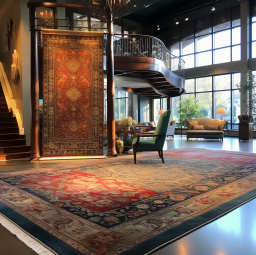

Antique oriental rugs carry more than decorative charm — they hold real, measurable antique oriental rugs value rooted in craftsmanship, rarity, and history. For homeowners across Palo Alto, Menlo Park, and the greater San Francisco Bay Area, understanding what makes a hand-knotted rugs valuable can mean the difference between tossing out a family heirloom and preserving a piece worth thousands of dollars.
What Makes it Valuable
Antique oriental rugs gain value from three main factors: age (typically 80–100+ years), hand-knotting technique, and material quality (wool, silk, or a wool-silk blend). Rugs from regions like Tabriz, Heriz, and Kashan in Persia, or Oushak in Turkey, are especially prized. Condition, dye type (natural vs. synthetic), and weave density also directly affect resale and insurance value.
Key Points
- Genuine antique rugs are hand-knotted, not machine-made, and are usually 80+ years old.
- Weave density, natural dyes, and regional origin are the biggest value drivers.
- A professional appraisal — not an online estimate — is the only reliable way to confirm value.
- Local Bay Area humidity and hardwood flooring make proper rug care essential for preservation.
- Restoration by a trained specialist can significantly increase or protect resale value.
What Makes Antique Oriental Rugs Valuable?
The value of an antique oriental rug comes down to craftsmanship. These rugs were hand-knotted on traditional looms, often by weavers working from memory or oral pattern traditions passed down through generations. A single rug can contain anywhere from 50 to over 300 knots per square inch, and finer knotting generally signals higher quality and value.
Material matters just as much. Wool pile on a cotton foundation is the most common combination, while silk rugs — particularly those from Qum or Kashan in Iran — command significantly higher prices due to their sheen, durability, and the skill required to weave them. Natural dyes, derived from sources like madder root, indigo, and pomegranate skin, are another marker of authenticity that collectors and appraisers actively look for over synthetic dye alternatives.
How Do Appraisers Determine an Antique Rug’s Worth?
Professional appraisers, often affiliated with organizations such as the Appraisers Association of America or the International Society of Appraisers, evaluate rugs using a consistent set of criteria:
- Age and provenance — documented history increases value.
- Origin — region-specific weaving traditions (Heriz, Bijar, Serapi, Oushak) carry distinct market premiums.
- Knot density and weave consistency — measured per square inch.
- Condition — wear, fringe loss, moth damage, or prior repairs.
- Dye quality — natural dyes typically outperform synthetic ones in long-term value.
- Size and design rarity — oversized or unusual pattern rugs can fetch more at auction.
Antique vs. Vintage vs. New Oriental Rugs: What’s the Difference?
One of the most common questions Bay Area homeowners ask is how to tell an antique rug from a vintage or newer reproduction. Here’s a straightforward comparison:
| Category | Approximate Age | Typical Value Range | Common Origin |
| Antique | 80–100+ years | Higher, especially with natural dyes | Persia, Turkey, Caucasus |
| Vintage | 20–79 years | Moderate, depends on condition | Persia, Turkey, India |
| New/Reproduction | Under 20 years | Lower, decorative value only | Often machine-assisted or modern hand-knotted |
Antique rugs are almost always hand-knotted and show natural, gradual wear patterns. Reproductions, even well-made ones, tend to have uniform coloring and a stiffer, less supple feel underfoot.
Are Antique Oriental Rugs Worth Money Today?
Yes — well-preserved antique oriental rugs regularly sell for anywhere from a few hundred dollars to well over $20,000 at auction houses and specialty dealers, depending on origin, size, and rarity. Auction results from houses like Christie’s and Skinner have shown that fine Persian and Caucasian rugs from the 19th century consistently outperform mass-produced modern rugs in resale value, particularly when natural dyes and original condition are documented.
That said, not every old rug is automatically valuable. Machine-made rugs styled to look antique, or rugs with significant moth damage and unstable foundations, often sell for a fraction of what owners expect. This is why a professional inspection matters more than a quick online search.
Antique Oriental Rugs Near Palo Alto and the Bay Area
Homeowners across the Peninsula and South Bay increasingly search for antique oriental rugs Palo Alto specialists, along with rug appraisal and cleaning services in nearby communities. This regional demand makes sense — many Bay Area homes, from Craftsman bungalows in Palo Alto to mid-century properties in Menlo Park, feature hardwood and stone flooring where a well-chosen antique rug adds warmth and character.
If you’re located in or near any of these areas, local rug specialists typically serve:
- Palo Alto — home inspections and in-house appraisal consultations
- Menlo Park — antique rug dealers and estate collection evaluations
- Mountain View — oriental rug cleaning and moth-damage prevention
- Los Altos and Los Altos Hills — high-value collection insurance appraisals
- Redwood City — rug restoration, reweaving, and fringe repair
- San Francisco — auction consignment and broader market appraisal comparisons
Bay Area coastal humidity and indoor heating cycles can accelerate wool and silk deterioration if rugs aren’t rotated, aired out, or professionally cleaned every 1–3 years. Local climate is a real factor appraisers and conservators account for when assessing long-term rug condition in this region.
How to Care for an Antique Oriental Rug
- Rotate the rug every 6–12 months to prevent uneven sun fading.
- Avoid direct sunlight exposure for extended periods; UV rays break down natural dyes.
- Vacuum gently, avoiding the fringe, and skip beater-bar attachments on delicate weaves.
- Schedule professional cleaning every 1–3 years rather than using home carpet shampoo systems.
- Store properly if not in use — rolled (never folded), wrapped in breathable fabric, away from moisture.
Conclusion
Understanding antique oriental rugs value starts with recognizing what truly separates a museum-quality weave from a decorative reproduction: hand-knotting, natural dyes, regional origin, and condition. Whether you’ve inherited a rug, found one at an estate sale, or are simply curious about a piece already in your home, a professional appraisal is the clearest way to know what you’re standing on. If you’re in Palo Alto or a nearby Bay Area community, reach out to a local antique rug specialist in palo alto for an in-person evaluation before you clean, sell, or restore your rug.
Faqs
How can I tell if my oriental rug is genuinely antique? Check the back of the rug — hand-knotted antiques show slight irregularities in pattern and knotting on the reverse side. Machine-made rugs have a uniform, printed-looking backing. A magnifying glass inspection or professional appraisal confirms it conclusively.
Does a certificate of authenticity increase resale value? Yes. Documented provenance, including prior ownership history and appraisal records, generally increases buyer confidence and can raise resale value by making the rug easier to sell through reputable auction houses or dealers.
Should I clean an antique rug myself? It’s not recommended. Antique fibers, especially silk and naturally dyed wool, can be damaged by standard detergents and steam cleaners. Professional rug cleaners trained in antique textiles use gentler, fiber-appropriate methods.
What’s the difference between a Persian rug and an oriental rug? “Oriental rug” is a broad category covering hand-knotted rugs from across Asia, including Persia (Iran), Turkey, the Caucasus, and India. “Persian rug” specifically refers to those woven in Iran, which is one of the most historically significant weaving regions within the oriental rug category.
How much does an antique oriental rug appraisal cost? Appraisal fees vary by appraiser and rug size, typically ranging from a flat per-rug fee to an hourly consultation rate. Many Bay Area appraisers offer combined in-home evaluation and written documentation for insurance or resale purposes.
Can a damaged antique rug still be valuable? Often, yes. Rugs with minor wear, small repairs, or fringe loss can retain significant value, especially if the origin and dye quality are exceptional. Restoration by a qualified conservator can also help recover both appearance and market value.