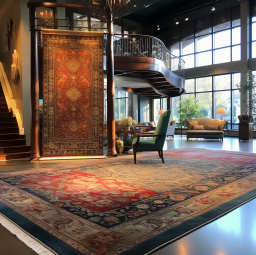

Hand knotted rugs are more than decorative floor coverings—they are works of art created through centuries-old weaving traditions. Every authentic handmade rug represents countless hours of dedication, precision, and artisan craftsmanship. Unlike machine-made rugs that are produced in factories within hours, a single hand knotted rug may take several months or even years to complete.
As a rug specialist with over 10 years of experience serving homeowners in Palo Alto, CA, I’ve helped countless clients understand why the hand knotting process directly impacts a rug’s beauty, durability, and long-term value. Whether you’re purchasing your first handmade rug or expanding your collection, understanding the process helps you appreciate the craftsmanship behind every piece.
What Is Hand Knotting?
Hand knotting is a traditional weaving technique where skilled artisans tie each individual knot around vertical foundation threads (warp threads) using specialized methods. Every knot contributes to the rug’s strength, texture, and intricate design.
Unlike tufted or machine-made rugs, authentic hand knotted rugs contain thousands or even millions of individually tied knots, making each hand knotted rug completely unique.
Why Hand Knotting Matters
The quality of a hand knotted rug depends on the precision of every knot. Since each rug is woven by hand, no two pieces are exactly alike.
Benefits of Hand Knotting
- Exceptional durability
- One-of-a-kind craftsmanship
- Superior design detail
- Rich texture and depth
- Long lifespan
- Strong investment value
Luxury homeowners throughout Palo Alto, Menlo Park, Los Altos, Mountain View, and the surrounding Bay Area rug often choose hand knotted rugs because they combine timeless beauty with practical durability.
Step-by-Step: The Process of Hand Knotting Rugs Explained
Creating the Rug Design
Every handmade rug begins with a carefully planned design.
Master designers create detailed pattern maps called cartoons that guide weavers throughout the entire process. These designs may feature:
- Traditional Persian motifs
- Oriental floral patterns
- Moroccan geometric styles
- Modern abstract artwork
- Contemporary minimalist designs
The complexity of the design often determines how long the rug will take to complete.
Selecting Premium Materials
Material selection is one of the most important factors affecting hand knotted rug quality.
Common natural fibers include:
Wool
Premium wool offers:
- Soft texture
- Excellent durability
- Natural stain resistance
- Long-lasting color retention
Silk
Silk provides:
- Luxurious shine
- Fine detail
- Smooth texture
- Elegant appearance
Cotton
Cotton is commonly used for the rug’s foundation because it provides strength and stability.
Many luxury rugs combine wool and silk to achieve both durability and exceptional visual detail.
Preparing the Loom
Before weaving begins, artisans prepare a large vertical loom.
Warp threads are stretched tightly from top to bottom, creating the rug’s structural foundation.
Proper tension is critical because uneven foundation threads can distort the finished rug.
This preparation stage ensures the rug maintains its shape for decades.
Tying Every Knot by Hand
This is the heart of the entire process.
Each individual knot is wrapped around two warp threads before being pulled tight.
Depending on the rug’s design, artisans may tie:
- Thousands of knots each day
- Hundreds of thousands of knots per rug
- Millions of knots for large luxury rugs
Every knot is tied entirely by hand without automated machinery.
This meticulous artisan rug craftsmanship creates exceptional density and durability.
Inserting the Weft Threads
After completing each row of knots, horizontal weft threads are woven across the rug.
These threads lock every knot securely into place.
The weft strengthens the overall structure while helping maintain the rug’s shape.
Compressing the Knots
Special weaving tools are used to press each completed row tightly together.
This process:
- Increases durability
- Improves density
- Creates a smooth surface
- Strengthens the overall construction
High-quality rugs are known for their tightly packed knots.
Trimming the Pile
Once sections of the rug are completed, artisans carefully trim the wool or silk pile.
This reveals the intricate pattern while ensuring a uniform texture.
Some rugs feature high-and-low pile carving for additional dimension and artistic effect.
Washing the Rug
After weaving is complete, the rug undergoes several washing stages.
Professional washing:
- Removes natural oils
- Softens fibers
- Enhances colors
- Improves texture
- Brings out intricate details
Traditional washing methods often use gentle soaps and natural drying techniques.
Stretching and Finishing
The rug is stretched to ensure perfectly straight edges and accurate dimensions.
Final finishing includes:
- Edge binding
- Fringe finishing
- Quality inspection
- Final trimming
Only after passing detailed inspections is the rug considered complete.
How Long Does It Take to Make a Hand Knotted Rug?
Production time depends on size and knot density.
| Rug Size | Estimated Production Time |
| 3′ × 5′ | 2–4 months |
| 5′ × 8′ | 4–8 months |
| 8′ × 10′ | 8–14 months |
| Large Custom Rugs | 1–3 years |
Highly detailed silk rugs may require even longer due to their intricate knot counts.
What Determines Hand Knotted Rug Quality?
Several factors influence the quality of a handmade rug.
Knot Density
Higher knot counts generally allow for finer details and stronger construction.
Material Quality
Premium wool, silk, and cotton create longer-lasting rugs.
Artisan Experience
Highly skilled weavers produce more consistent knots and intricate patterns.
Natural Dyes
Vegetable and natural dyes create rich colors that age beautifully over time.
Hand Knotted vs Machine-Made Rugs
| Feature | Hand Knotted Rugs | Machine-Made Rugs |
| Construction | Individually tied knots | Factory woven |
| Materials | Natural fibers | Often synthetic |
| Lifespan | 50–100+ years | 5–20 years |
| Design | Unique | Mass produced |
| Value | Appreciates over time | Depreciates |
| Repairability | Easily restored | Often difficult to repair |
Caring for Your Hand Knotted Rug
Proper care helps preserve beauty for generations.
Best Maintenance Practices
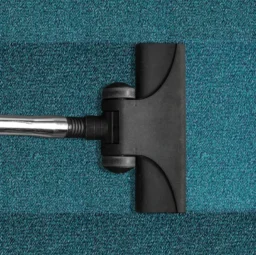
- Vacuum gently without aggressive beater bars.
- Rotate the rug every 6–12 months.
- Clean spills immediately by blotting.
- Schedule professional rug washing every few years.
- Avoid prolonged direct sunlight to minimize fading.
For homeowners in Palo Alto, Atherton, Menlo Park, and nearby Bay Area communities, professional maintenance helps preserve both the appearance and investment value of handmade rugs.
Why Homeowners in Palo Alto Choose Hand Knotted Rugs
Luxury homes throughout Palo Alto, CA often feature hand knotted rugs because they offer:
- Timeless elegance
- Exceptional craftsmanship
- Long-lasting durability
- Increased interior value
- Sustainable natural materials
- Heirloom-quality construction
Whether decorating a contemporary Silicon Valley residence or a classic estate, hand knotted rugs provide unmatched sophistication and lasting beauty.
Final Thoughts
Understanding the process of hand knotting rugs explained reveals why these handcrafted masterpieces remain among the world’s most respected floor coverings. Every stage—from designing and material selection to knot tying and finishing—requires remarkable skill, patience, and attention to detail.
Unlike mass-produced alternatives, a hand knotted rug tells a story through every individual knot. Its artistry, durability, and timeless appeal make it an investment that can be enjoyed for generations.
If you’re searching for an authentic handmade rug in Palo Alto, CA, choosing a carefully crafted hand knotted piece ensures lasting beauty, exceptional quality, and enduring value.
FAQs
What is the hand knotting process for rugs?
The hand knotting process involves tying each knot individually around warp threads on a loom, followed by weaving weft threads, trimming, washing, and finishing. This traditional technique creates durable, one-of-a-kind rugs.
How long does it take to make a hand knotted rug?
Depending on the size and complexity, a hand knotted rug can take anywhere from 2 months to over 3 years to complete. Larger rugs with high knot density require significantly more time.
Why are hand knotted rugs more expensive?
Hand knotted rugs are priced higher because they require skilled artisan craftsmanship, premium natural materials, and hundreds or thousands of hours of manual labor. Their durability and heirloom quality also contribute to their long-term value.
Can hand knotted rugs be repaired?
Yes. One of the biggest advantages of hand knotted rugs is that they can often be professionally repaired and restored, helping preserve their beauty and extend their lifespan for decades.